


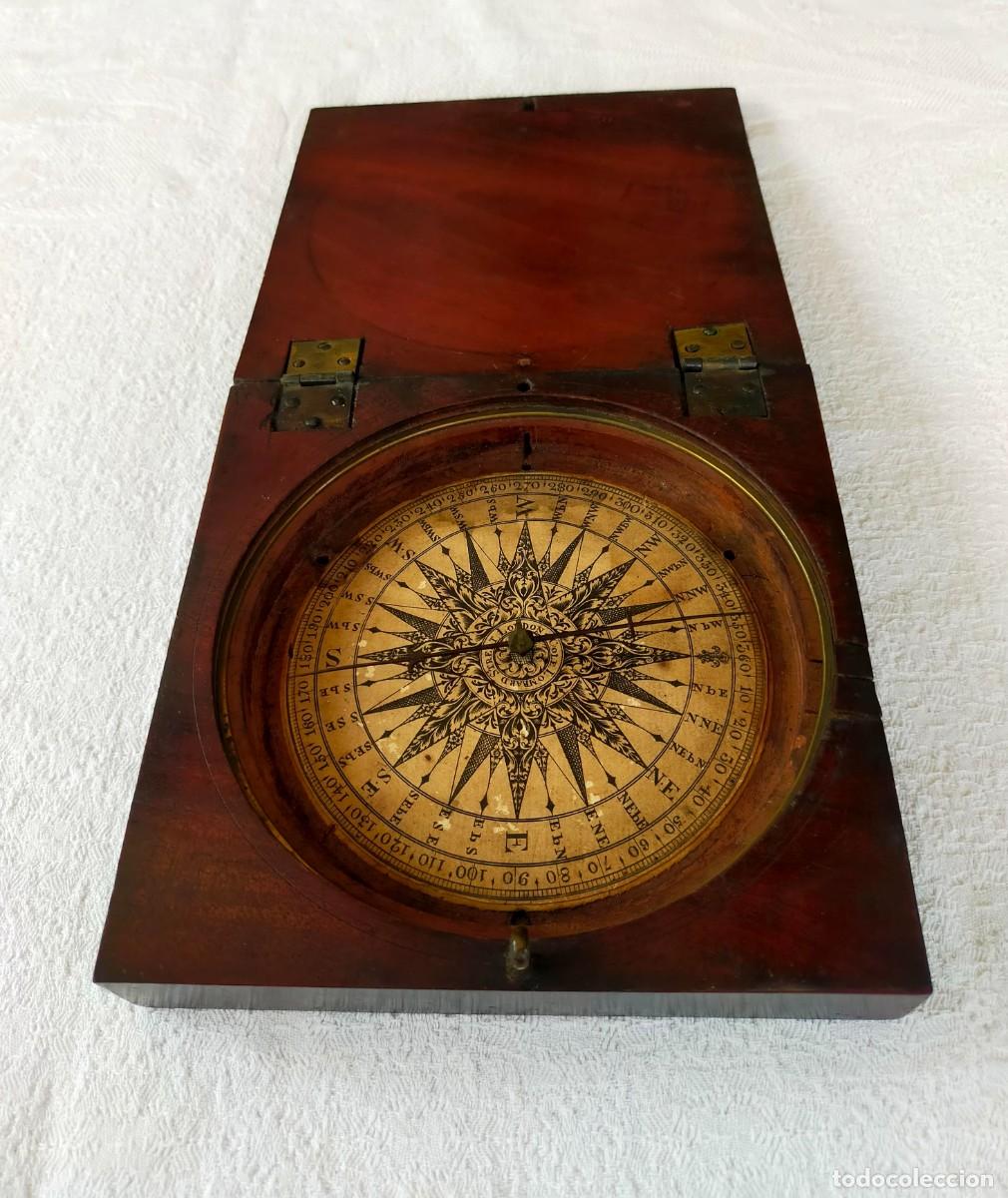
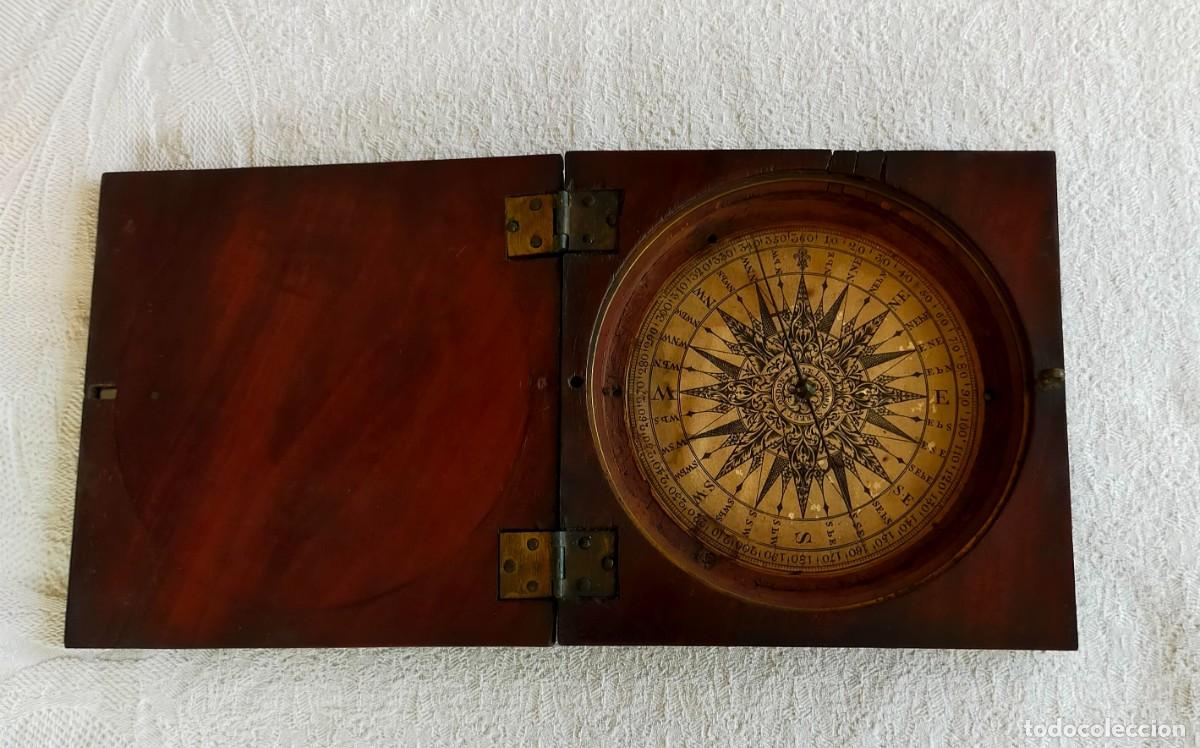
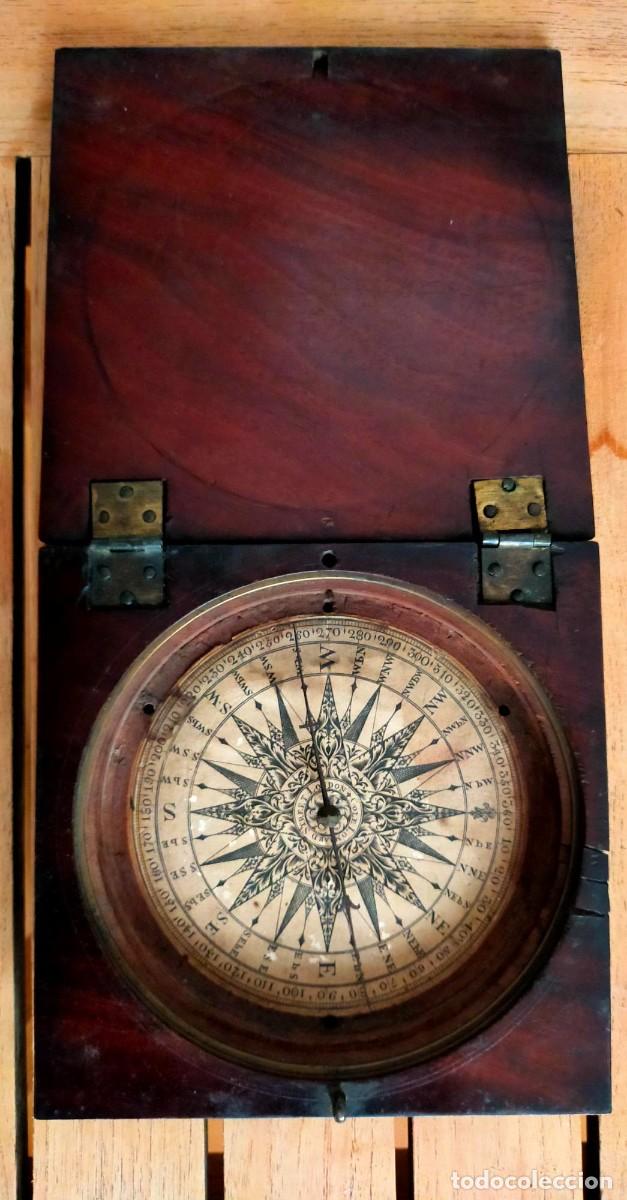
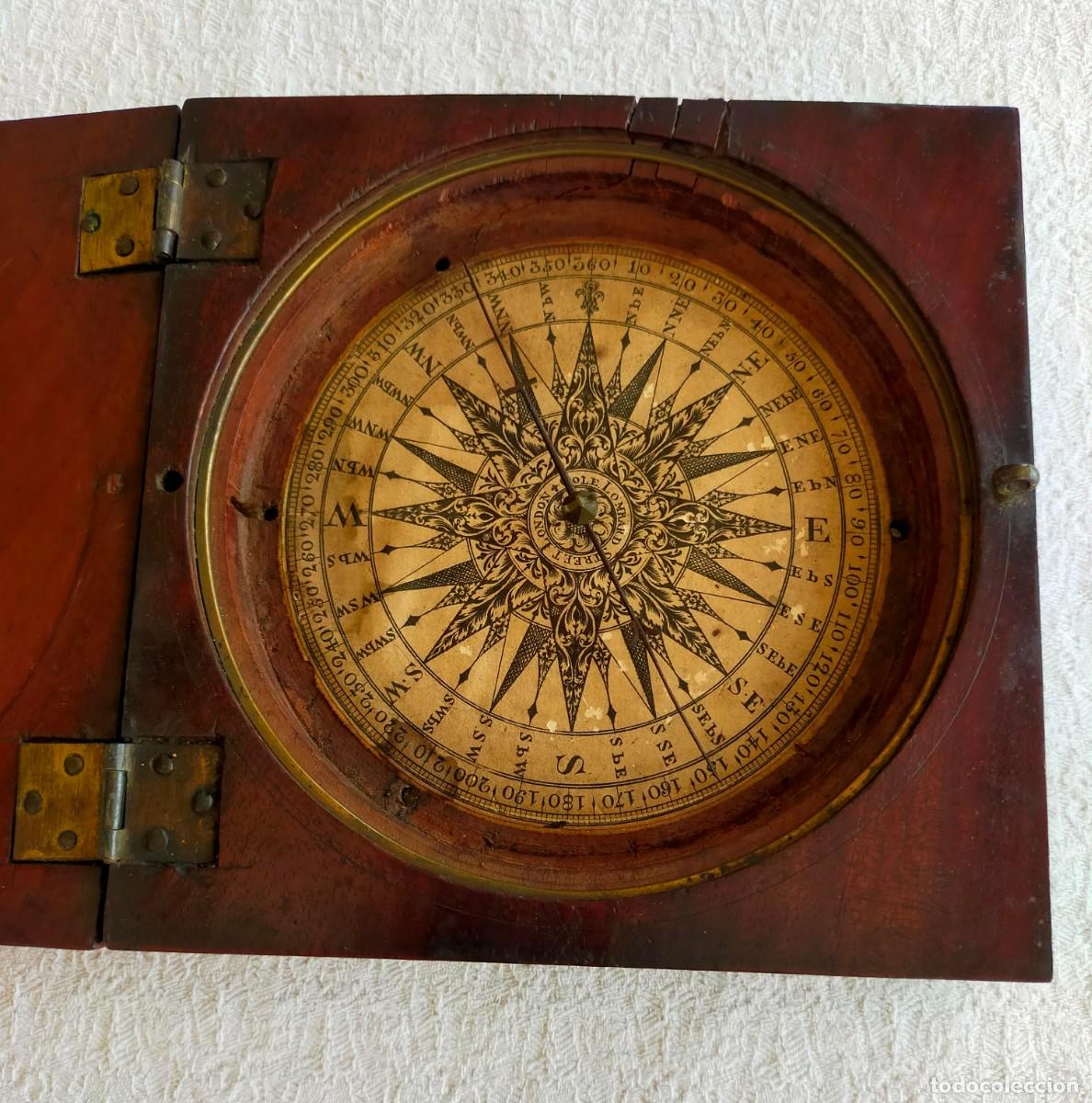
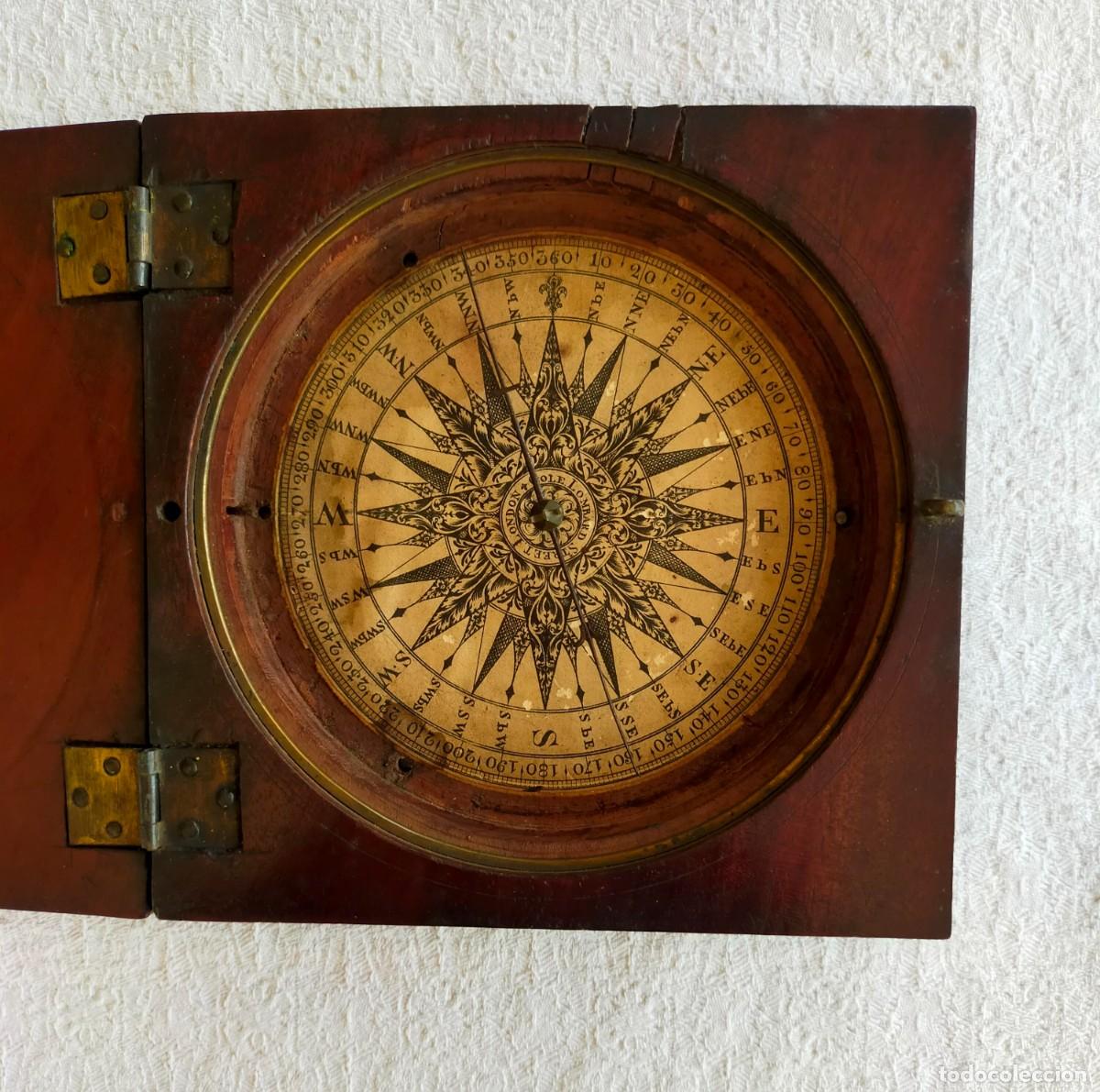
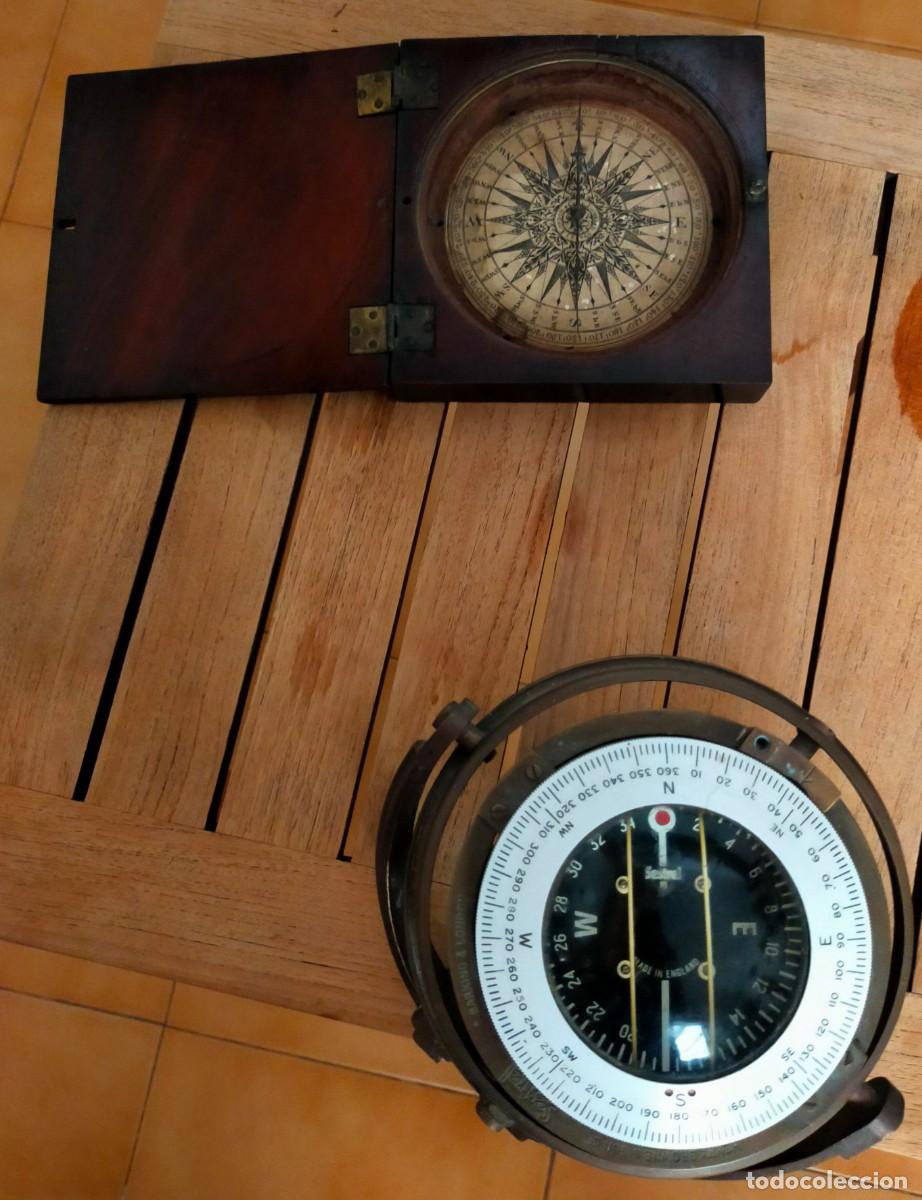
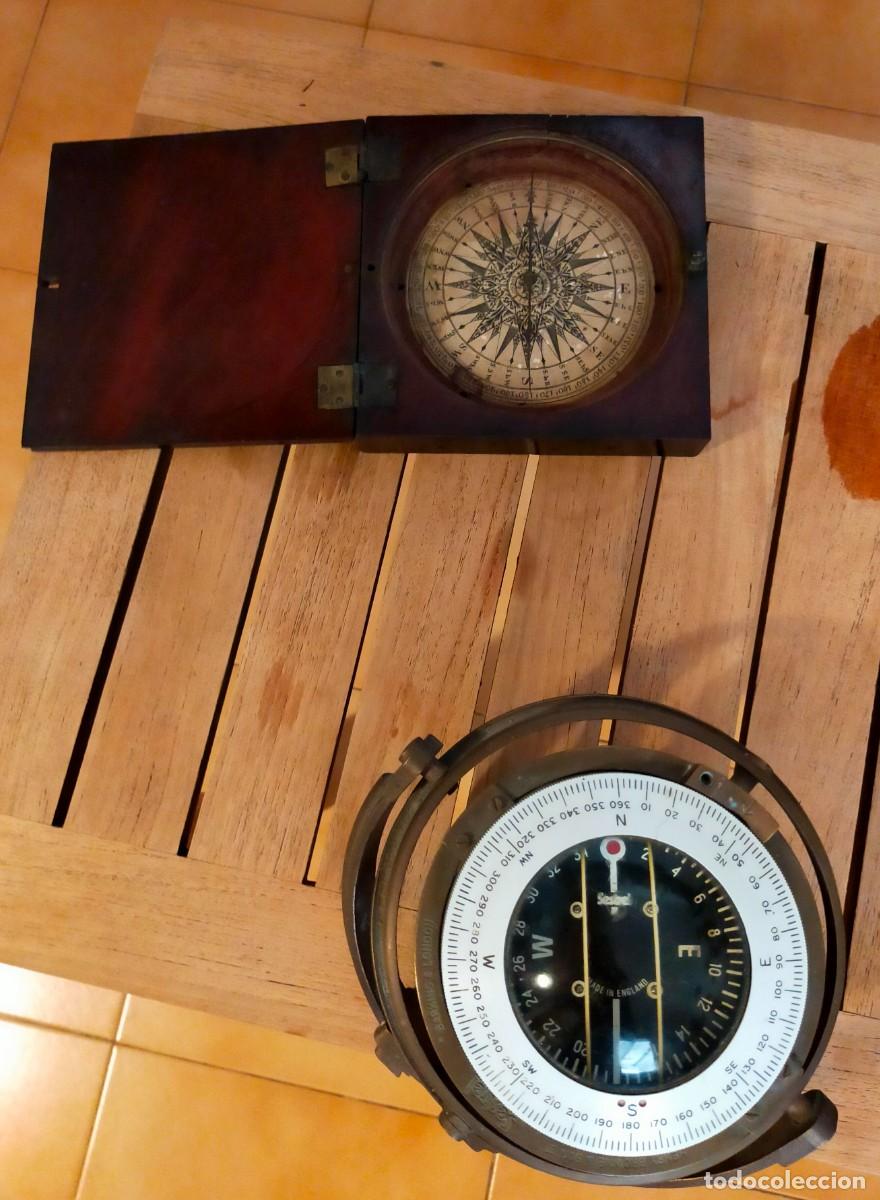
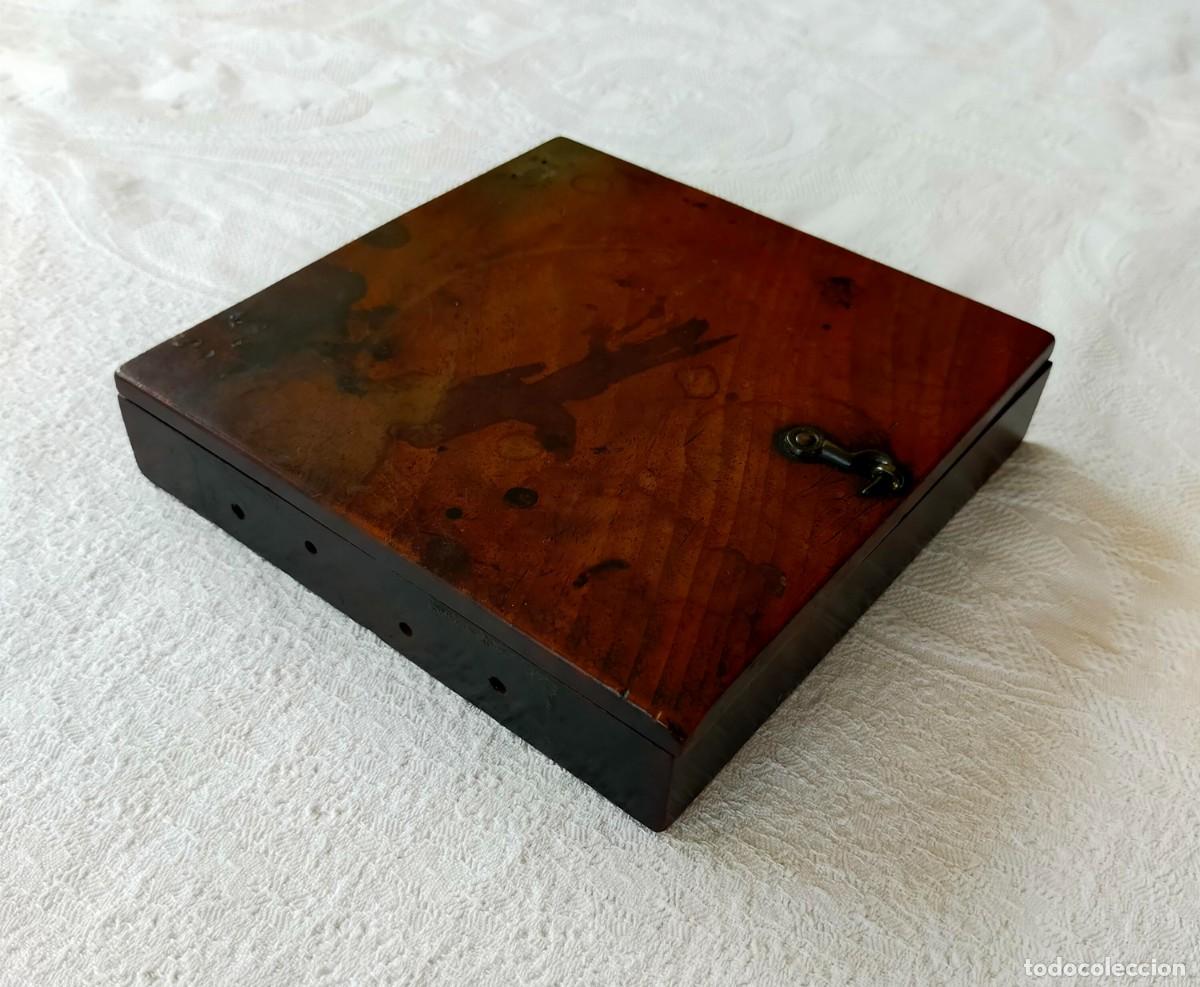
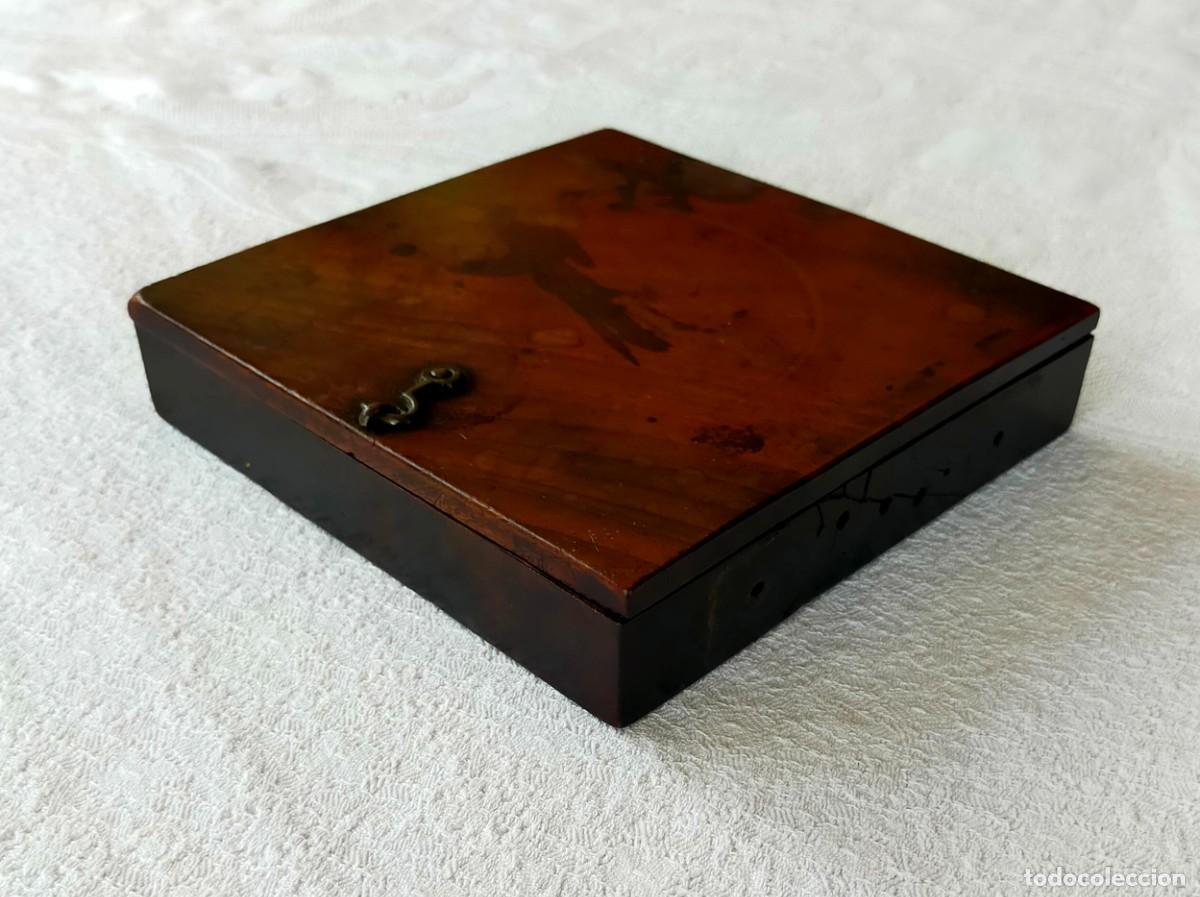
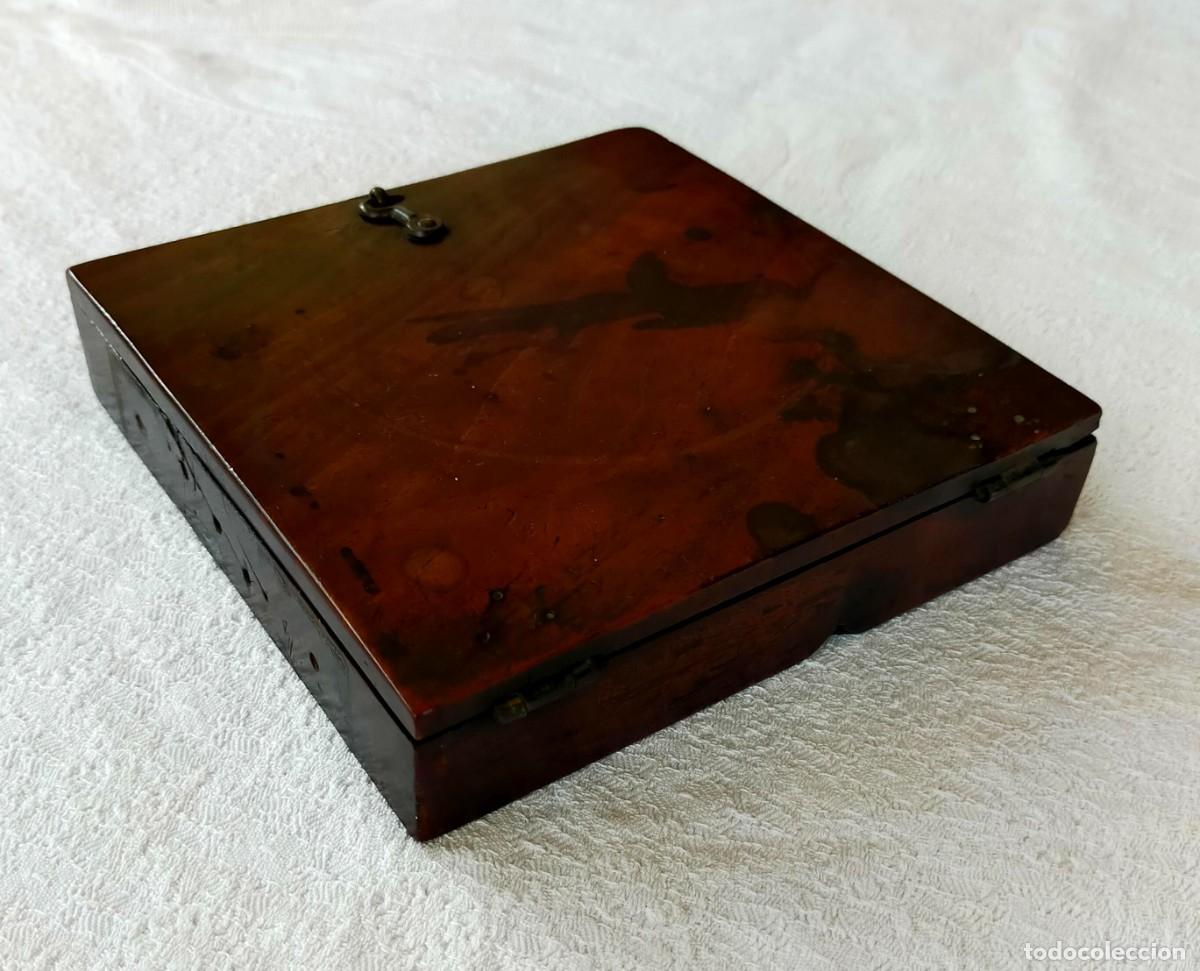
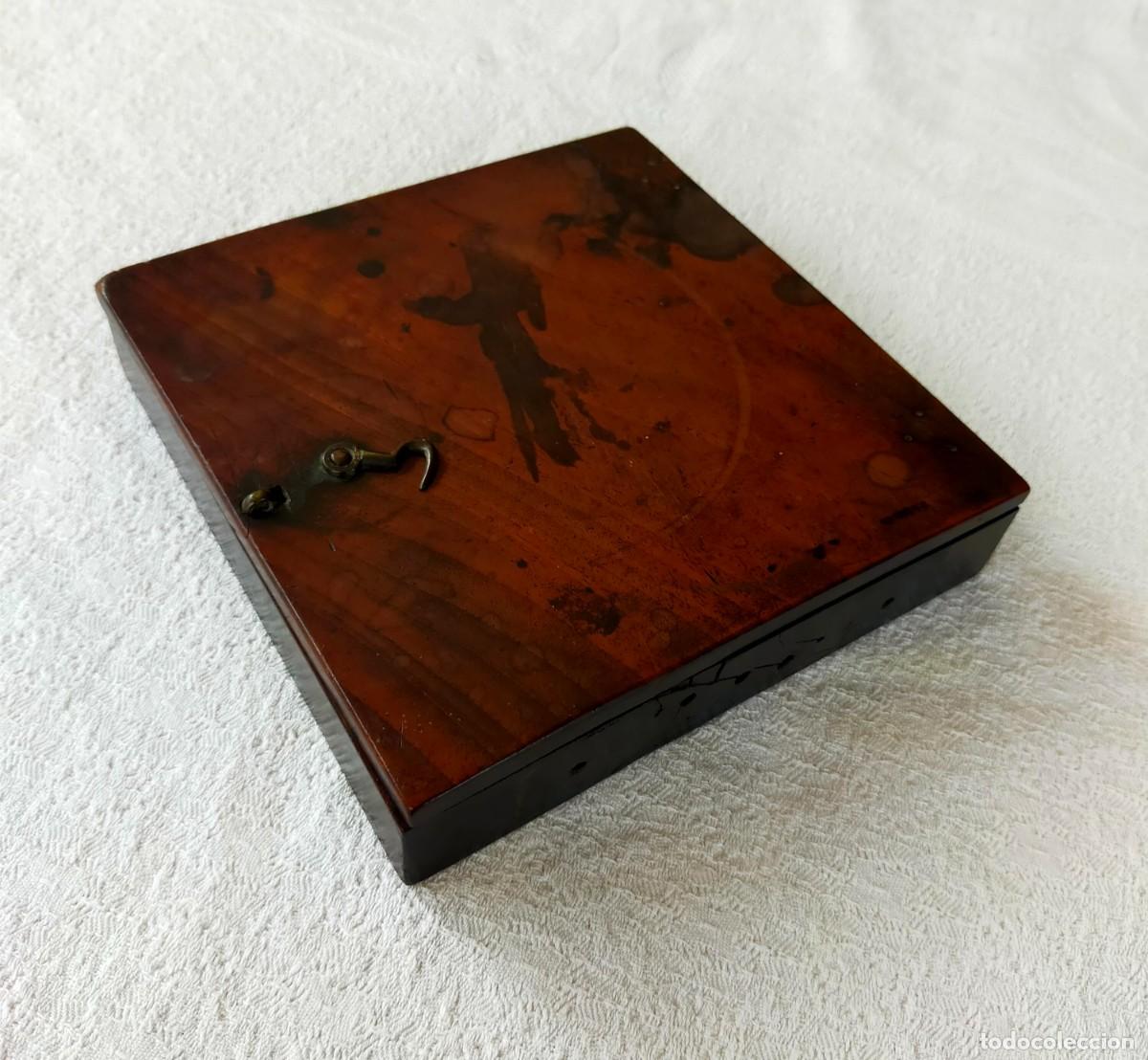
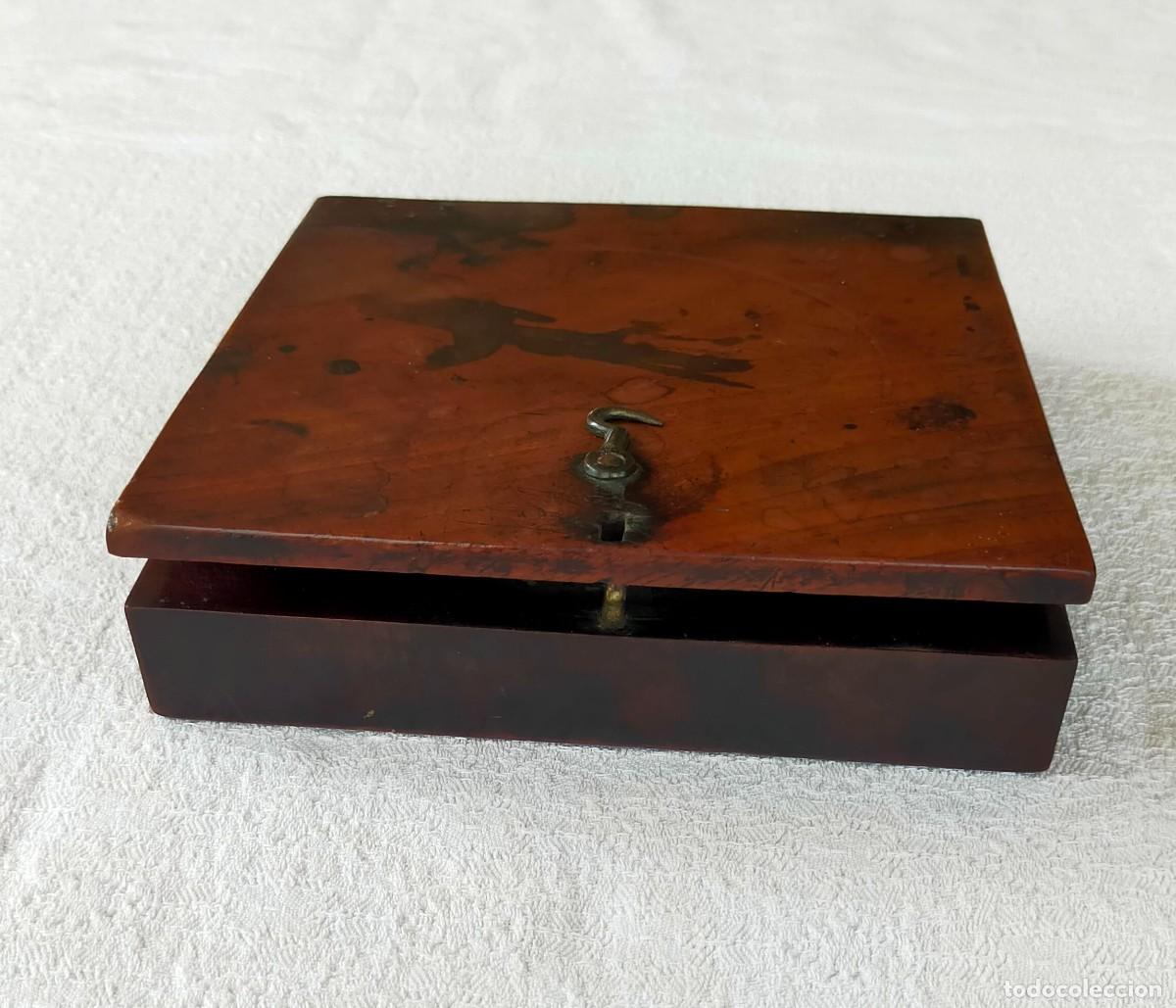
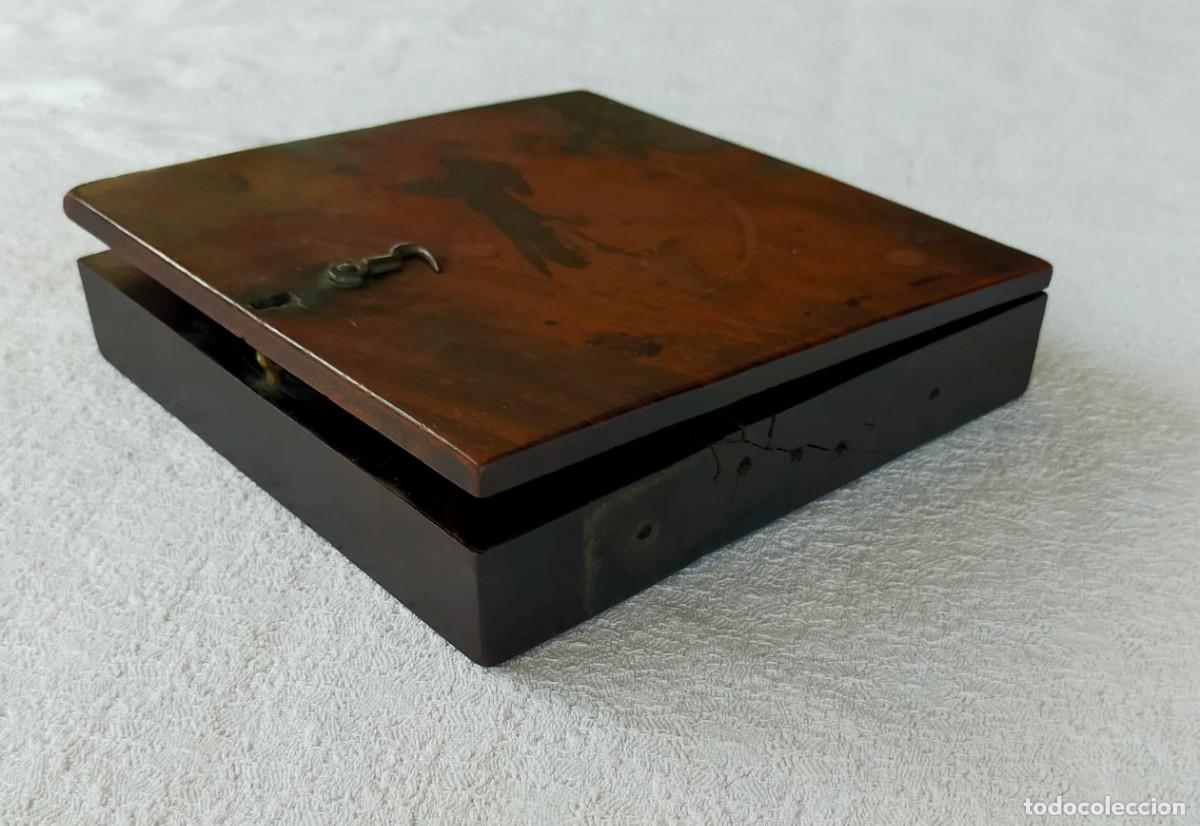
Perfectamente funcionando a pesar de sus ya mismo 300 años de edad
Hemos colocado otra brújula de Sestrel funcionando perfectamente, a su lado, para hacer la comparativa de orientación de la aguja, y funciona a la perfección y con resultados de orientación física perfectos después de casi 300 años.
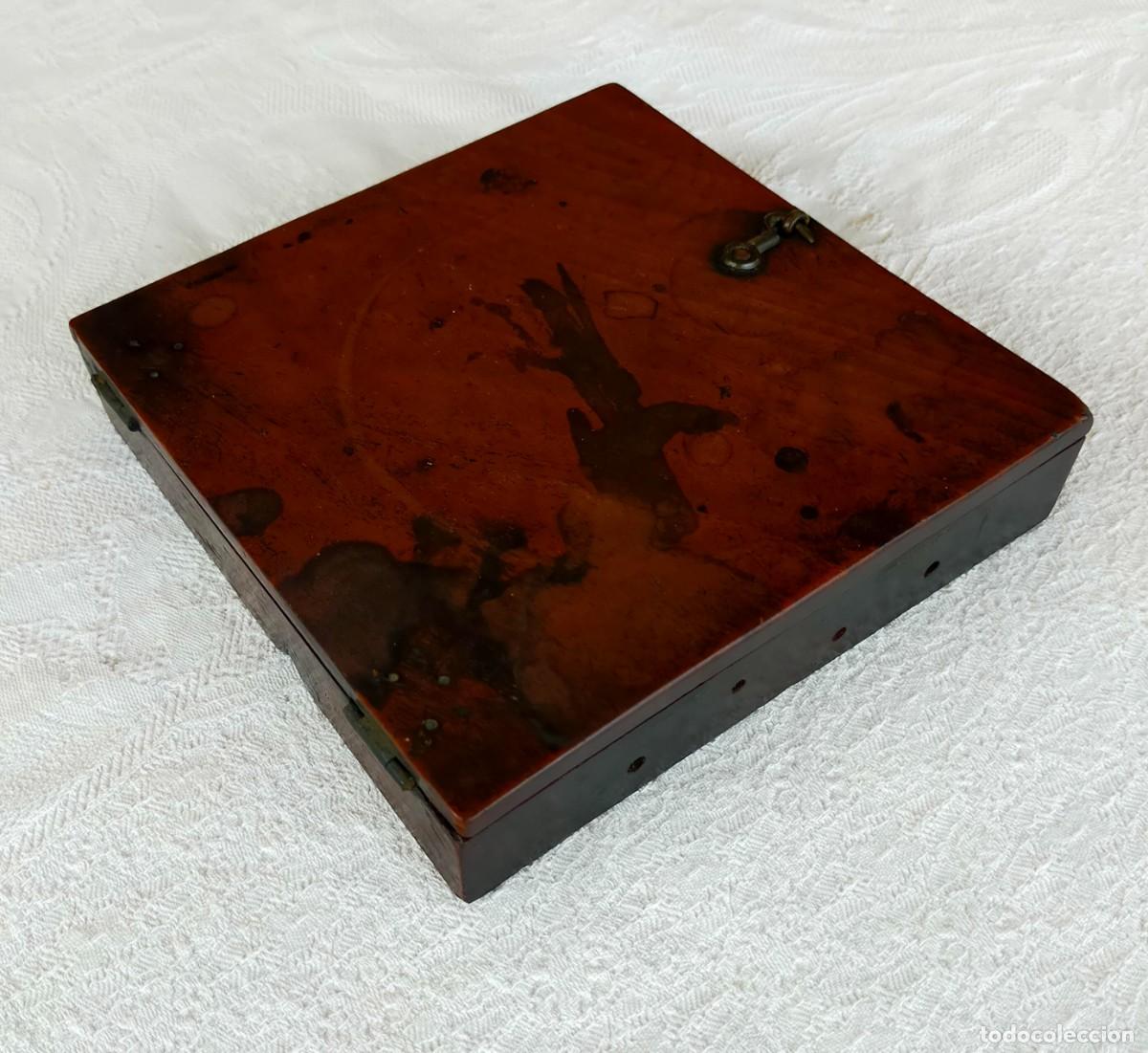
Fabricada en una caja de madera de caoba con una calidad elegante proveniente de una época donde las herramientas era muy toscas y no muy efectivas.
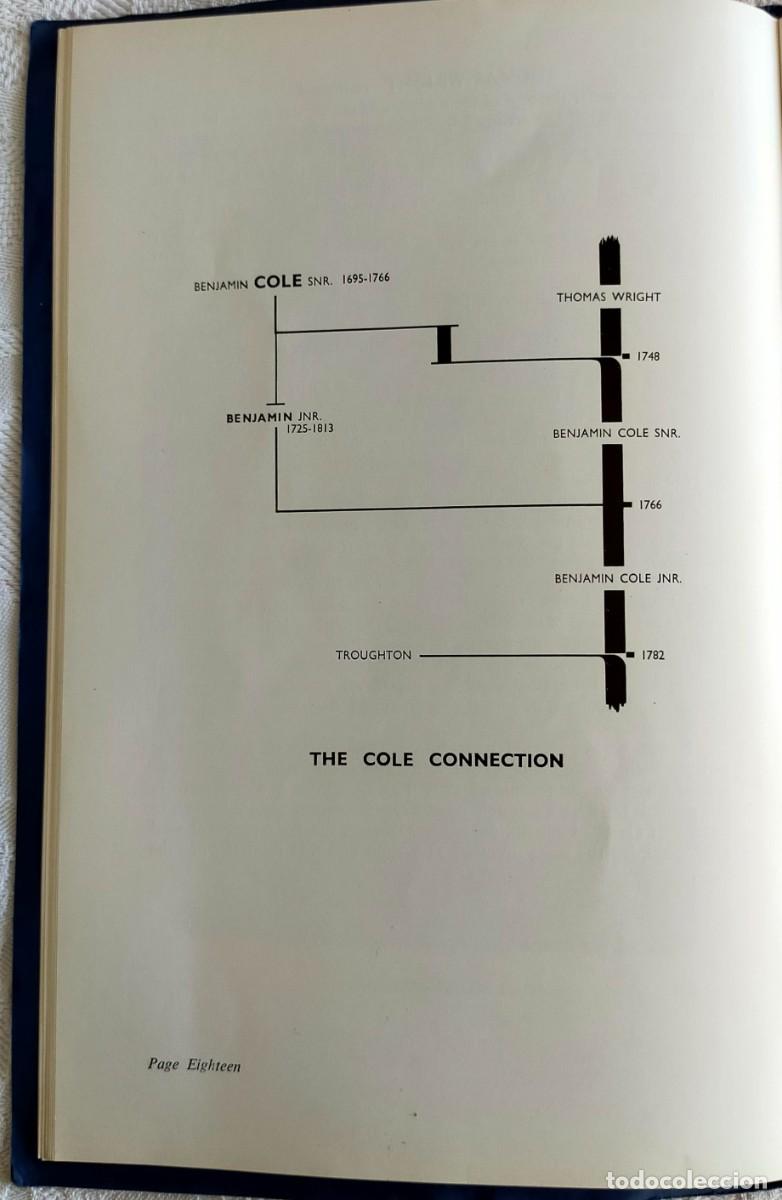
Benjamín Cole "el viejo" (1695- 1766) fue un topógrafo, cartógrafo, fabricante de instrumentos, grabador y encuadernador de libros que nació y se crio en una muy famosa familia de Oxford en la era georgiana. Su padre fue un famoso encuadernador de libros y posteriormente cartógrafo y topógrafo.
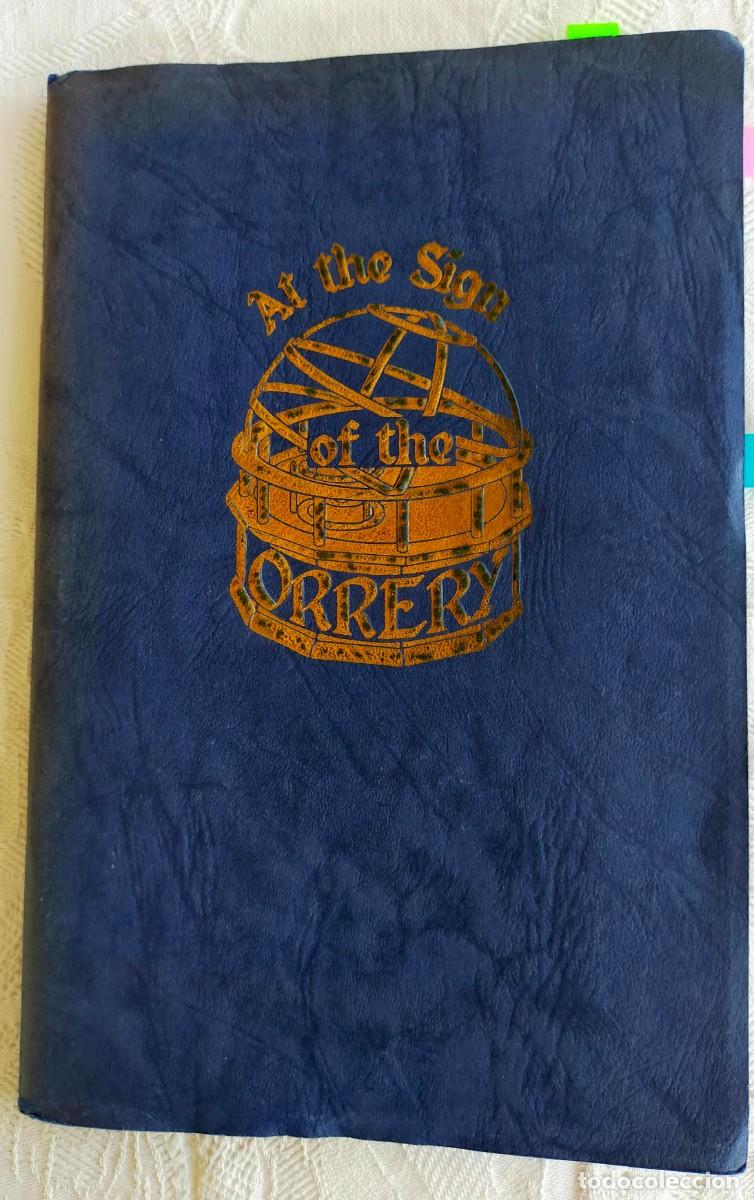
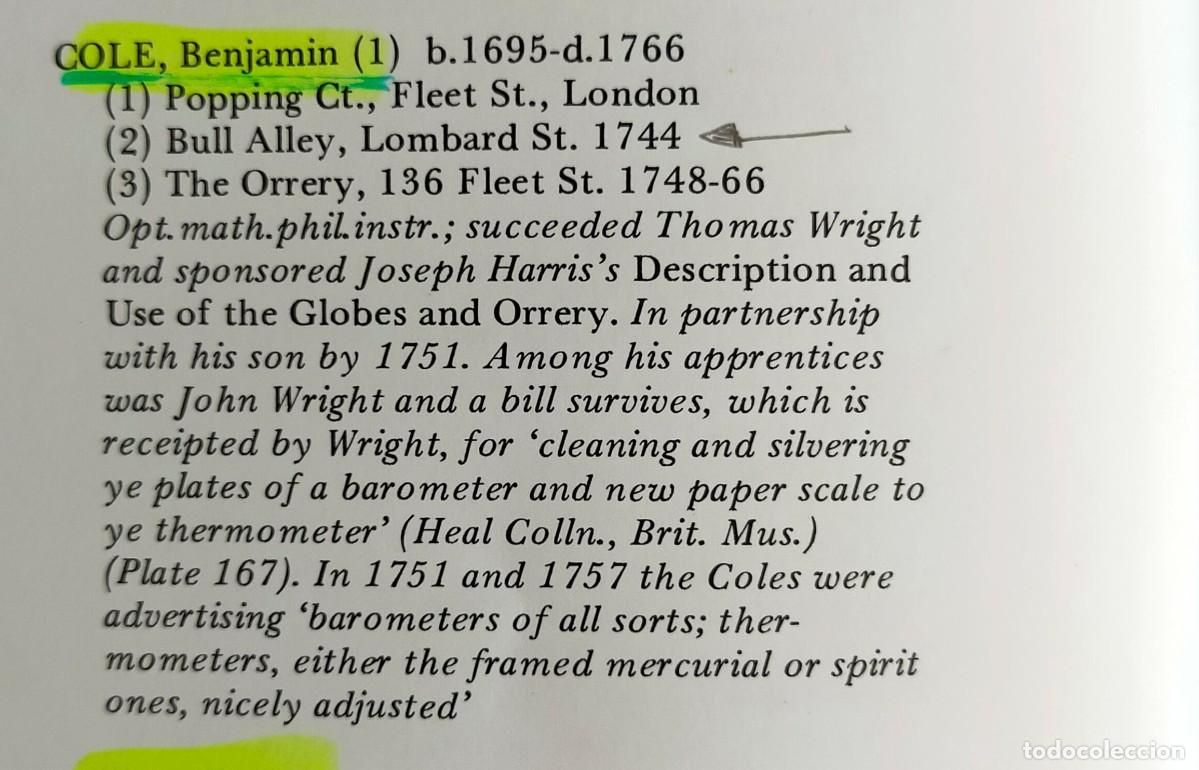
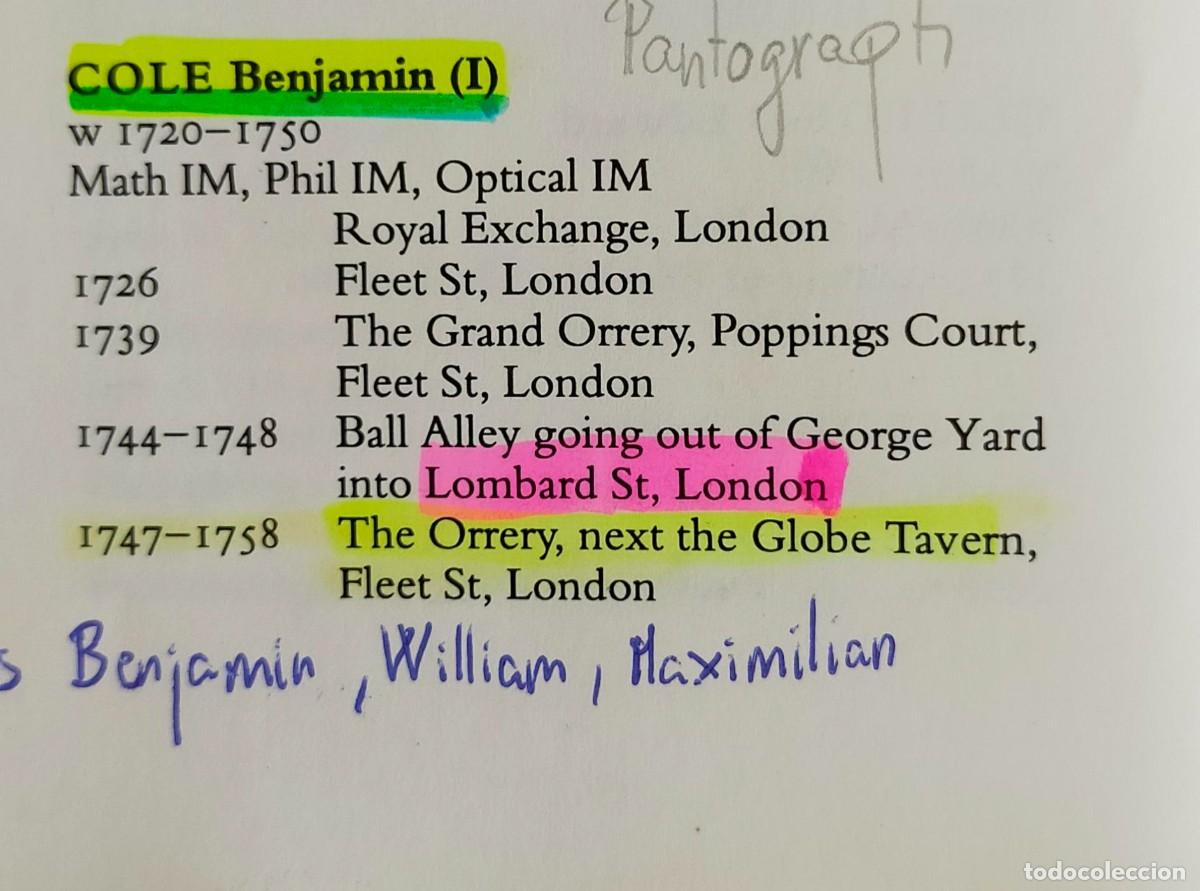
Benjamín Cole fue aprendiz de un fabricante de instrumentos científicos muy reconocido del Londres de finales de 1600 y principio de 1700 en la era georgiana, el señor "Thomas Wright ", trabajando para el en varias direcciones, desde 1720 a 1726 en el Royal Exchange de Londres, de 1720 a 1739 en la famosa Fleet Street de Londres , y desde 1733 hasta 1744 en en el gran Orrery and globe (planetario y globo) de Fleet Street, junto a la taberna.
Este Thomas Wright tenía un Nombramiento real de Jorge II
Es entonces y alrededor de 1730 cuando Benjamín Cole se independizó y se mudó a trabajar al taller de Bull Alley en Lombard Street de Londres. Precisamente es ahí donde aparece la dirección de la brújula, en el centro mismísimo de ella.
Lombard street.
En esta dirección trabajó desde 1730 hasta 1748 y es por eso que nosotros damos estas fechas como buenas de la fabricación de la brújula. No nos queremos acelerar y decir que esta brújula tenga 300 años de vida, pero casi casi.los 300 años.
En esa época tomó a su hijo de nombre también Benjamín como ayudante
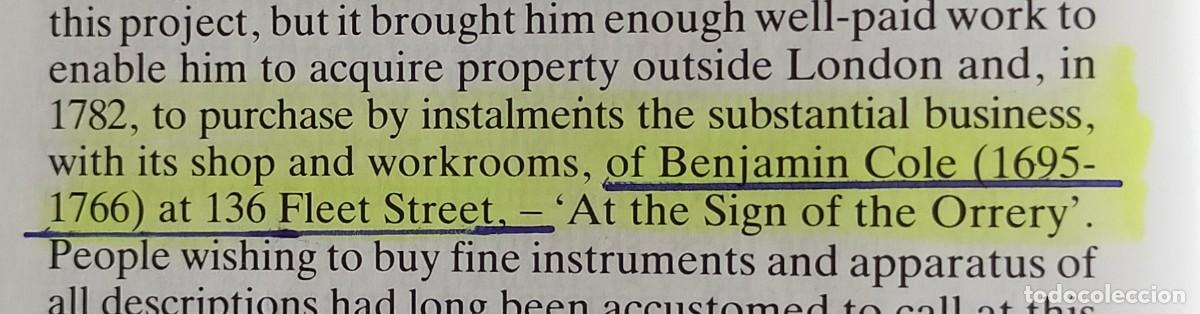
Cuando se marchó de esta dirección en 1748 volvió al Planetario, cerca de la taberna del globo donde adquirió y se quedó definitivamente con todo el negocio de Thomas Wright y con lo que ello significaba, pero nunca pudo tomar para su negocio el nombramiento real de Jorge II que tenía Wright, ni tampoco pudo asumir el patronato de dicha institución con su rimbombante nombre de " Real Escuela de Matemáticas de la Oficina de Ordenanza." pues este título había pasado ya a George Adams el viejo .
La rivalidad con Adams ( que era muy bueno publicando y haciéndose publicidad propia) marcó un antes y un después con los derechos de autor, debemos recordar un caso muy parecido entre la familia Dollond y varios fabricantes de la época también de lentes, pero esto os lo contaré en otro artículo que tenemos ofreciéndoos de Dollond, aqui a la venta en Todo colección..
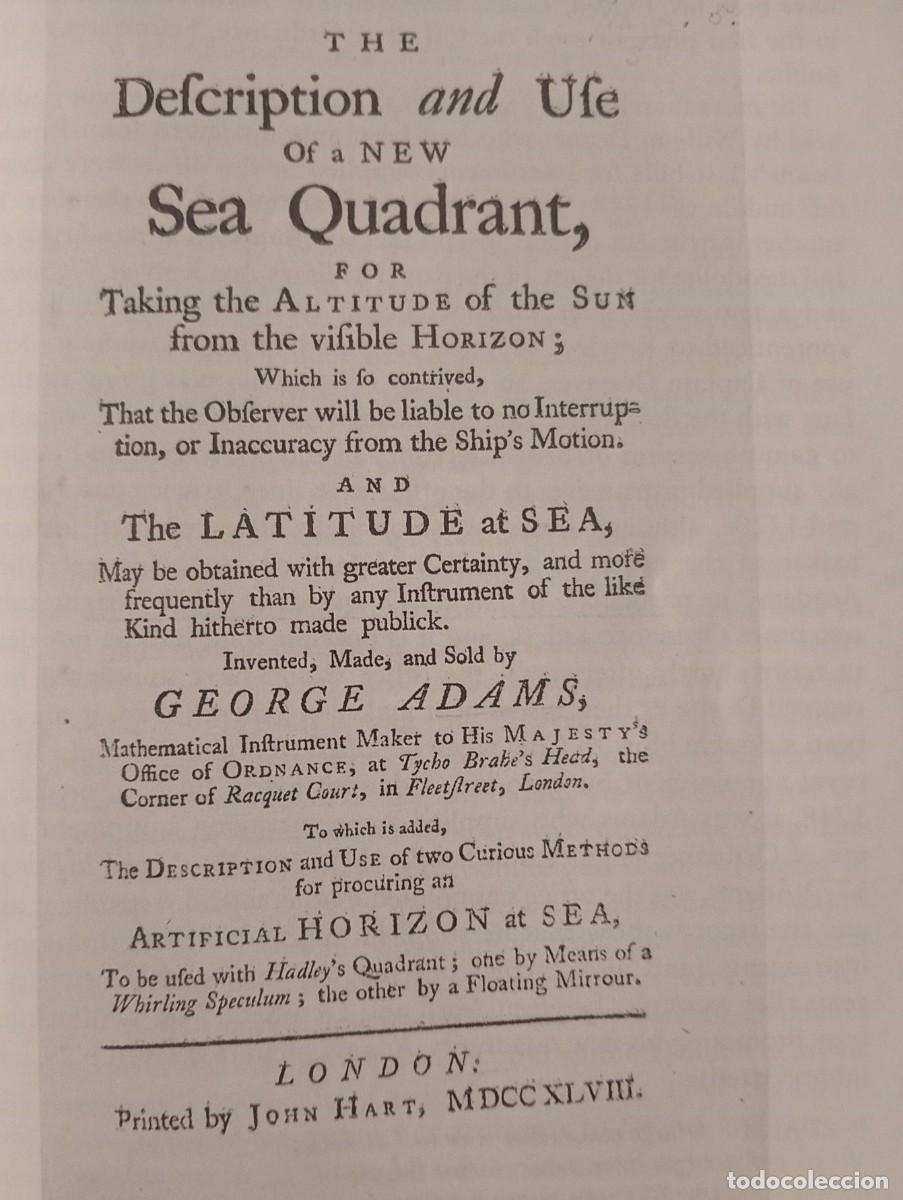
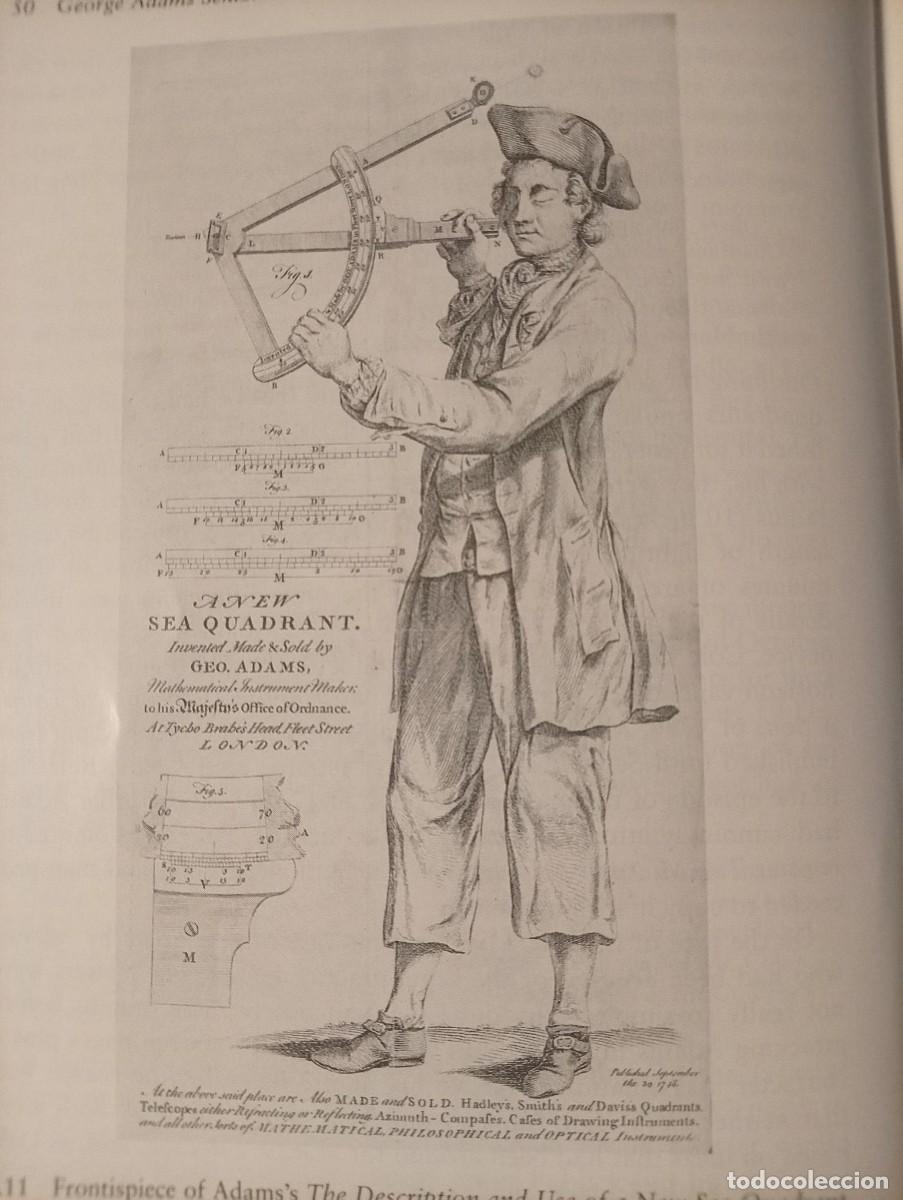
El caso es que Cole había inventado un nuevo cuadrante para determinar el posicionamiento de las naves en la Mar, publicando un tratado " Descripción y uso de un nuevo Cuadrante Marino" y Adams se lo copió y aseguró que el invento era suyo personal, la rivalidad se llevó a juicio a finales del año, dándose a Cole como vencedor, pero no prohibiendo a Adams seguir construyendo cuadrantes ni acusarle de plagiadora pesar de ser un juicio inflado hasta convertirse en una realidad , siendo un perjuicio de uno sobre otro, se dejó dictaminar al público que poder comprar, dando a Cole el privilegio de inscribir en su cuadrante su invento, pero dejando a otros fabricarlo igualmente, esta información de este caso lo podéis ver en las fotos números 23 y 24 donde el Plagiador ADAMS muestra un dibujo de un marinero usando el cuadrante y la publicidad hecha asimismo por el plagiador ADAMS.
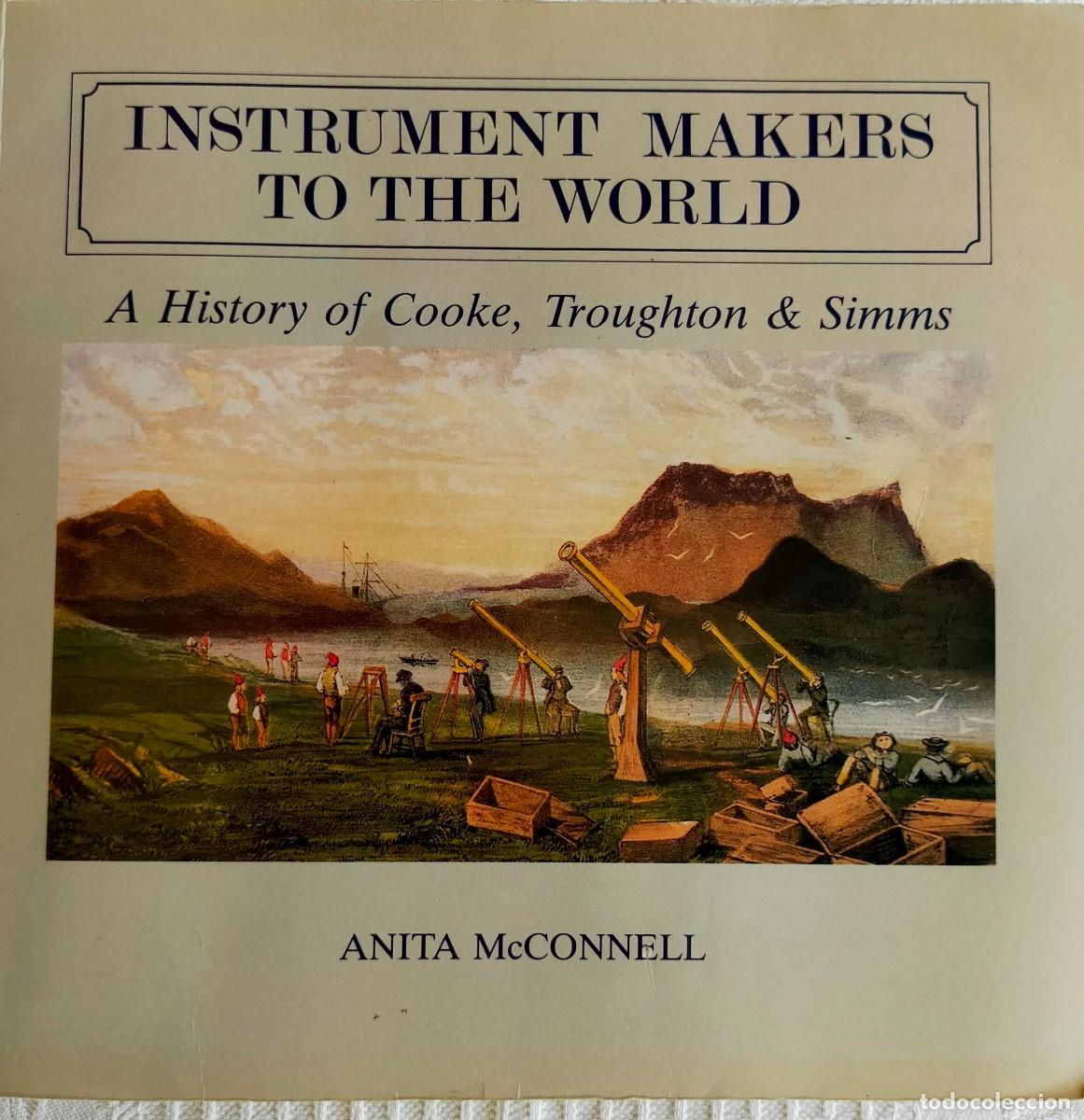
Con el discurrir de los años y donde tras su fallecimiento en 1766, su hijo continuó en el negocio, pero sólo hasta 1782, en que vendió el negocio por una fortísima cantidad de dinero a Edward Troughton, el pionero de la famosa marca Troughton Simms & Cooke, y que a su vez fué primeramente controlada y posteriormente vendida durante las post guerra mundial en 1944 a Vickers, que son los que a día de hoy aun existen.
The Cole business began with Benjamin Cole senior, the son of an Oxford bookbinder and engraver. Cole was born in 1695 and although there is some uncertainty about his early apprenticeship, it is likely that he was taken in by the renowned London instrument maker, Thomas Wright who traded from The Orrery & Globe in Fleet Street and who held a Royal Appointment for King George II. It is however certain that Cole worked for Wright during his formative years.
At some point during the 1730’s, Cole left Wright’s employment and began business on his own account, trading from an address at Bull Alley in Lombard Street. He was certainly independent by 1739 as he took his son, Benjamin Cole junior as an apprentice and shortly after the completion of his training in 1748, the business of Cole senior’s former master Thomas Wright was purchased. With a new premises at the sign of the Orrery in Fleet Street, the business became Benjamin Cole & Son and remained so until the death of Cole senior in 1766.
Cole Senior was a maker of high repute during his lifetime although his training and subsequent take over of Wright’s business did not achieve him the transfer of the Royal Appointment to George II, this was supposedly retained by Thomas Wright even after retirement. Neither did he manage to achieve the patronage of such institutions as The Royal Mathematical School or The Office of Ordnance. These latter accolades were reserved for his rival George Adams (Senior) who was evidently better at both advertising and self publicity.
This rivalry is evidenced by Adam’s release of a publication of his “Description and Use of a New Sea Quadrant” in September of 1748. Previously in June of the same year, Cole had advertised the same thing stating in his adverts that:
“Benjamin Cole, Mathematical Instrument maker, at the Orrery in Fleet Street, London has invented a new quadrant for taking the sun’s altitude at sea, in a manner more easy and correct than by any other instrument in common use.”
In December of the same year, both parties repeated their adverts but Cole decided for a public airing of his grievance.
“As the judicious are not puffed into a belief, which shall in prejudice of one man favour another’s claim to an invention, therefore the public are left to determine, whether any modern quadrant, published the latter end of September last, is not a manifest copy of that of Mr cole’s published the beginning of June .
As Mr Cole is the sole inventor of the above quadrant, and first published it many months since, he thinks it his duty (to prevent the public from being deceived) to inform them that Cole, inventor and maker is stamped thereon, to distinguish it from any other pretended invention whatsoever.”
Photos number 23 & 24.
Nevertheless, Cole left a legacy of high-quality manufacture and his son continued to operate at the top of the instrument making industry throughout his years of trading. Cole Junior is also known to have garnered a close working relationship with the young John Troughton in the latter part of the 1770’s and this eventually resulted in the sale of the Cole business to Troughton in 1782.
To provide some perspective of its success over its years of trading, Benjamin Cole lived until 1813 spending thirty years in retirement. Even after so many years, he left a considerable fortune to the recipients of his will
.
Benjamin Cole (1695-1755) was a noted maker and several exceptional signed instruments by him still survive. In 1748 he succeeded to the business of the famous orrery maker, Thomas Wright, located at "The Orrery", 136 Fleet Street. lis son (the 3rd Benjamin Cole, 1735-1813) apprenticed to him in 1739 and was his partner by 1751. Instruments signed "B. Cole & Son" are known and Goodison places them in the period 1751-66, although one would think that 1755 would be a more logical end datė. John Troughton acquired the firm in 1782. Thus we have here one of the longest existing continuous firms of instrument makers in the history of the world, stretching from the late 17th century well into the 20th: beginning with John Rowley (about 1698), Thomas Wright, Benjamin Cole (2nd), Cole & Son, Benjamin Cole (3rd), John, then John and Joseph, then John and Edward, and then Edward Troughton, Troughton and Simms (1826), Cooke, Troughton, & Simms (1922), finally to become part of Vickers.
.-

Spain (Illes Balears)


 Español
 English
 Deutsch
 Français
 Português
 Italiano